

Seattle Local Guide: How to Live Like a Resident
Table of Contents
- What Being a Seattle Local Really Means in 2026
- Where Seattle Locals Actually Spend Their Weekends
- How to Support Small Businesses Without Going Out of Your Way
- Unique Gifts From Local Makers for Every Occasion
- Neighborhood-Specific Transit Hacks for Getting Around
- What to Skip: Tourist Traps vs. Local Favorites
- Build Your Own Seattle Local Routine
- Frequently Asked Questions
Last Updated: September 5, 2026
Living like a true Seattle local in 2026 is less about checking off the Space Needle and more about weaving yourself into the city's daily rhythm of neighborhood rituals, farmers markets, and independent storefronts. This guide from Click Seattle Local breaks down how to trade the tourist itinerary for a genuine resident's routine, from weekend haunts to transit shortcuts.
The most important shift is mental: being a Seattle local means prioritizing community engagement over spectacle. We'll cover the seven essential habits that separate visitors from residents, including how to support small businesses effectively, discover unique gifts from local makers, and navigate the city's distinct districts with confidence.
What Being a Seattle Local Really Means in 2026
Being a Seattle local in 2026 means embracing a slower, more intentional relationship with the metropolitan area, one built on supporting neighborhood restaurants, independent bookstores, and the makers who define the city's regional identity. This mindset is the foundation of a sustainable, eco-conscious local habit that keeps the city's character intact.
Many residents now prioritize a curated routine over a packed social calendar, focusing on quality interactions at the farmers market or a favorite cafe. This approach is a direct response to the rapid growth of the past decade, a way to preserve the community feel that first drew people here.
Where Seattle Locals Actually Spend Their Weekends
Forget the generic "hit the market" advice. A true Seattle local's weekend is a carefully choreographed routine that varies dramatically by district. This is the insider's guide to a weekend, block by block.
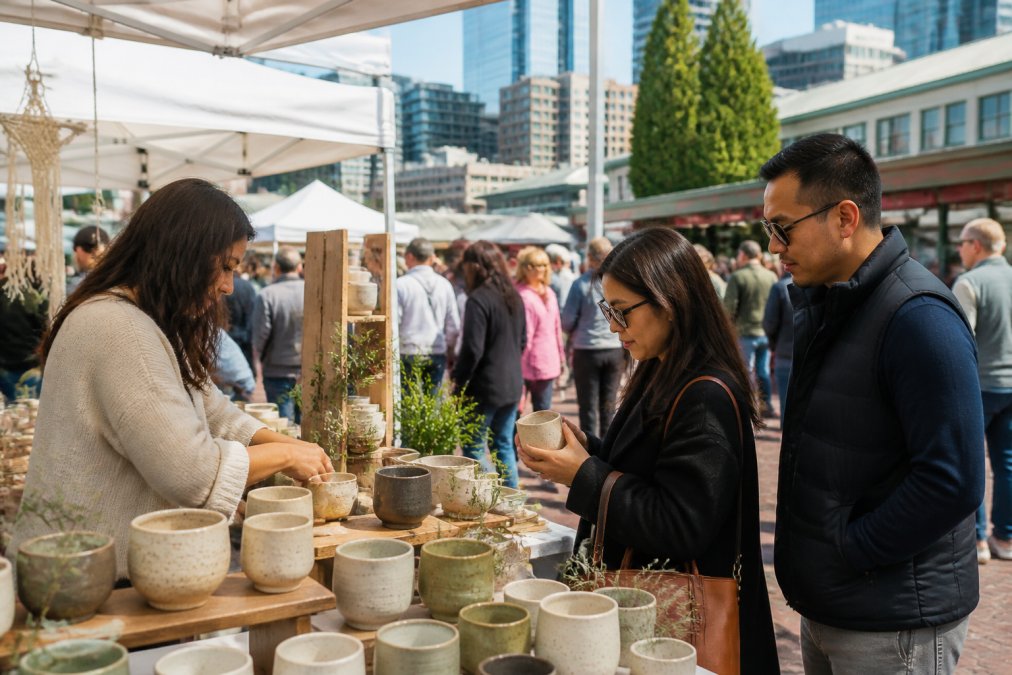
Ballard: The Maritime Morning
Sunday in Ballard is a ritual. The Ballard Farmers Market (open year-round, 10 AM - 3 PM) is the anchor, but locals know to arrive before 11 AM to snag parking and beat the crowds. Start with a pastry from Cafe Besalu (5909 24th Ave NW) before they sell out, then walk south to the market. The real local move is to skip the prepared food lines and instead buy ingredients for a Sunday dinner directly from the farmers. Afterward, a walk along the Ballard Locks (3015 NW 54th St) to watch the salmon ladder is a free, family-friendly staple that never gets old.
Capitol Hill: The Slow Afternoon
Saturday on Capitol Hill is less about a single destination and more about a meandering exploration. The move is to grab a coffee from Anchored Ship Coffee Bar (1027 E Union St) and then browse the independent bookstores like Elliott Bay Book Company (1521 10th Ave). The key is to avoid Broadway's main drag and instead explore the side streets like 15th Ave E, where you'll find vintage shops and quiet wine bars that don't cater to the weekend bar crowd.
West Seattle: The Beach Day
West Seattle feels like a small town within the city, and its weekend rhythm revolves around the water. The local routine is to hit Lincoln Park (8011 Fauntleroy Way SW) early for a walk along the bluff, then descend to the beach for a picnic. Unlike the crowded Alki Beach strip, Lincoln Park offers a more serene, forested experience. For a post-walk treat, locals head to the West Seattle Farmers Market (California Ave SW & SW Alaska St) on Sunday, which is smaller and more community-focused than Ballard's. The true insider tip is to grab a burger at Elliott Bay Brewing Co. (4720 California Ave SW) and sit on the patio, watching the ferries go by.
The Rainy Day Protocol
A Seattle local's weekend plan always has a contingency for rain, which is more a matter of 'when' than 'if'. The default is not to stay home but to head to a neighborhood institution, whether browsing the vast collection at the Seattle Public Library's central branch, catching a matinee at a historic theater like the SIFF Cinema Uptown (511 Queen Anne Ave N), or visiting one of the city's many indoor plant shops. The point is that the weekend is never canceled, only adapted.
The real secret to a local weekend is not a single destination but a reliable rotation. Pick a district, commit to exploring its side streets, and build a personal map of favorite spots.
How to Support Small Businesses Without Going Out of Your Way
Supporting local businesses doesn't require a dedicated trip; it requires a simple shift in default choices. Instead of ordering from a national online retailer, check if a local shop offers the same item or can order it for you.
A practical method is to dedicate one specific errand per week to a small business, whether buying coffee beans from a local roaster or picking up a gift from a neighborhood boutique. Many residents find this becomes effortless once they identify their go-to spots for specific categories, turning a chore into a chance for community engagement. shopping at local boutiques.
Habit |
Effort |
Local Impact |
|---|---|---|
Buy coffee beans locally |
Low |
Keeps roasters in business |
Shop at farmers market weekly |
Medium |
Supports regional farms |
Gift from local makers |
Low |
Funds independent artists |
Dine at neighborhood spots |
Low |
Strengthens local economy |
Unique Gifts From Local Makers for Every Occasion
Finding unique gifts from local makers is easier than ever, thanks to curated marketplaces that connect shoppers directly with independent artists and small-batch producers across the region. These platforms offer a convenient alternative to mass-market retail, making it simple to find a thoughtful present that tells a story.
For a truly personal touch, consider giving an experience rather than a physical item. For example, a gift certificate for a Aesthetic Beauty Signature Facial at $175.00 is a treat for someone who deserves a relaxing afternoon. This service, offered by a woman-owned business in the Seattle area, includes deep hydration and a customizable treatment, making it a memorable gift for a birthday or a thank-you.

Neighborhood-Specific Transit Hacks for Getting Around
General advice about the light rail is fine for tourists, but a Seattle local knows that efficient transit is a neighborhood-by-neighborhood game. Here are the granular, local-only hacks for navigating specific districts without a car.
Capitol Hill to Downtown: The 10-Minute Rule
Forget the bus. The most efficient way to get from Capitol Hill to downtown is the First Hill Streetcar (Route T-Line), which locals use to jump from Capitol Hill Station down to the International District. However, the true hack is walking: the terrain is a gentle downhill slope, and for most destinations, walking is faster than waiting for a bus during rush hour. If you must take a bus, the Route 10 and Route 49 are the workhorses, but they are often crowded. The local trick is to walk one block east to 15th Ave E and catch the Route 49 there, where it's less packed.
Ballard to Fremont: The Bike Lane Advantage
The 1.5-mile stretch between Ballard and Fremont is notorious for car traffic, especially on weekends. The local solution is not a bus but a bicycle: the Burke-Gilman Trail provides a dedicated, car-free path that connects the two neighborhoods in under 10 minutes. For those who don't bike, the Route 44 bus is the only direct option, but it's often slow. A better hack is to take the Route 40 to the Fremont Bridge and walk the final few blocks, avoiding the worst of the congestion on Leary Ave.
West Seattle to Downtown: The Water Taxi Shortcut
The King County Water Taxi is not just for tourists; it's a vital commuter link for West Seattle residents (kingcounty.gov). The trick is to avoid the car line for the West Seattle Bridge during rush hour. Instead, locals drive to the Seacrest Park dock (1660 Harbor Ave SW) and take the 15-minute ferry ride to Pier 50 downtown. It's more expensive than a bus ($6.00 per adult one-way), but it's often faster and far more scenic (kingcounty.gov). The real hack is to use the free shuttle that runs from the Alaska Junction to the dock, eliminating the need to park near the water.
The University District to the Eastside: The 520 Strategy
Getting from the U-District to Bellevue or Redmond is a common pain point. The Route 271 bus is the direct option, but it can be slow. A faster approach is to take the light rail to the University of Washington Station and then transfer to a Sound Transit Express bus that uses the SR-520 bridge. These buses have their own lanes in some sections, making them faster than driving. Always check for the 'ST Express' designation, as these are the regional workhorses that prioritize speed over coverage.
The Rainy Day Transit Rule
When it rains, which is often, the city's bike lanes become less appealing, and bus ridership spikes. The local hack is to plan for delays and use the Transit Go app to track buses in real-time. More importantly, know the covered waiting areas: major hubs like Northgate Station and Westlake Station have full shelters, but many smaller stops do not. A local knows to wait in a nearby cafe until the bus is 2-3 minutes away, using the app's live tracking to time their exit.
The most efficient transit strategy is a multi-modal one. Combining walking, biking, and the right bus or train line for the specific corridor will always beat a single-mode approach.
What to Skip: Tourist Traps vs. Local Favorites
The biggest difference between a tourist and a Seattle local is knowing which attractions are worth the hype. While the central waterfront and the Space Needle offer iconic views, many locals skip them on busy weekends, opting instead for quieter viewpoints like Kerry Park or the arboretum. The real Seattle experience is found in the neighborhood restaurants and local events that don't make the front page of the visitor guide.
A common mistake is spending a whole day on the tourist circuit and missing the city's true character. Instead, visit the historic buildings in Pioneer Square or take a ferry ride for a different perspective of the skyline. If you want a souvenir, skip the mass-produced trinkets and look for local produce or handmade goods at a farmers market.
Build Your Own Seattle Local Routine
Building your own Seattle local routine starts with identifying the anchors of your week: a regular coffee spot, a favorite market day, and a reliable weekend walk. Begin by mapping out the three neighborhoods closest to you and committing to exploring one new block or shop each week.
The goal is to create a rhythm that feels natural and sustainable. Whether it is a Saturday morning trip to the farmers market or a weeknight dinner at a neighborhood restaurant, consistency builds community. For those looking to deepen their connection to the region, exploring the Aesthetic Beauty Hibiscus Facial at $140.00 offers a way to support a local, woman-owned business while enjoying a moment of self-care.

Living like a Seattle local is a rewarding shift from passive sightseeing to active community participation, but it requires a commitment to seeking out the independent businesses that define the region. At Click Seattle Local, we make this easier by curating a marketplace of independent makers and small businesses from across the country, so you can discover unique goods and support real people with every purchase. Get started with Click Seattle Local and find your new favorite local maker today.
Frequently Asked Questions
What are the best ways to support small businesses in Seattle?
Shop at neighborhood farmers markets, buy directly from independent makers through curated marketplaces, and choose local restaurants over chains. Look for small businesses that source materials regionally. Following local businesses on social media and leaving reviews also helps them get discovered.
How can I find unique gifts from local makers?
Skip the souvenir shops and look for curated marketplaces that feature Washington-based artists and makers. Search for items tagged with the PNW or Seattle region to find handcrafted goods. You will find art, skincare, pantry items, and home decor that reflect the Pacific Northwest. Buying from a curated collective means you get quality, small-batch products without spending hours researching individual sellers yourself.
What is Seattle most famous for?
Seattle is known for its coffee culture, the Puget Sound waterfront, and landmarks like the Space Needle and Pike Place Market. Locals also value the surrounding outdoor recreation, from hiking in the Cascades to kayaking on Lake Union. The city has a strong regional identity shaped by its tech industry, historic buildings, and a deep appreciation for independent businesses. Neighborhoods like Ballard and Capitol Hill each offer a distinct local character.
How do I navigate Seattle like a long-time resident?
Use public transit instead of driving. The light rail connects downtown to Capitol Hill, the University District, and the airport. Learn which bus lines serve your neighborhood, and check traffic updates before crossing the bridges. Locals layer their clothing for weather patterns that change quickly. For shopping, focus on one neighborhood at a time rather than trying to cover the whole city in a single day.