

Sustainable Home Goods for Beginners: 10 Easy Swaps
Table of Contents
- Why Sustainable Home Goods Matter for Beginners
- Eco-Friendly Kitchen Essentials That Replace Plastic
- How to Transition to a Sustainable Home: Start With One Category
- Sustainable Home Decor Brands Worth Supporting
- Garden Essentials for Sustainable Living
- Budget-Friendly Sustainable Swaps: Affordability Meets Impact
- How to Avoid Greenwashing When Shopping Sustainable Home Goods
- Maintenance and Longevity: Making Your Purchases Last
- Making Sustainable Living Stick
- Featured Snippet Optimization: Quick Answers
- Frequently Asked Questions
Last Updated: September 18, 2026
Why Sustainable Home Goods Matter for Beginners
Sustainable living doesn't require overhauling your entire home overnight. Swapping a few everyday items for sustainable alternatives creates immediate impact without the sticker shock.
Sustainable home goods for beginners start small and build momentum. One Swedish dishcloth replacing paper towels. One ceramic planter instead of plastic. These aren't sacrifices, they're upgrades that feel better, last longer, and align your daily life with your values.

Conventional household items generate enormous waste through single-use plastics and disposables. Sustainable home goods cut that waste dramatically while often outperforming conventional counterparts, natural fiber brushes clean better, ceramic planters promote healthier plant growth, and eco-friendly products simply work.
This guide walks you through the easiest sustainable home goods for beginners to adopt, focusing on items you already use, products that cost less than you'd expect, and tools designed to last. We'll cover kitchen essentials, home decor, garden supplies, and the strategies that actually stick.
Eco-Friendly Kitchen Essentials That Replace Plastic
Your kitchen is where sustainable living becomes tangible and generates the most daily waste. Swapping plastic and paper for eco-friendly alternatives here creates visible change and saves money over time.

Swedish Dishcloths: The Paper Towel Alternative
A single Swedish dishcloth replaces roughly 15 rolls of paper towels. Made from cellulose and cotton, they're absorbent, fast-drying, and completely biodegradable. The Sea Turtle Swedish Dishcloth from Click Seattle Local ($6.95) is 70% cellulose and 30% cotton, sourced in Europe, machine washable, and eliminates the odor that builds up in conventional sponges. Dishcloths dry quickly, preventing bacteria accumulation.
Natural Fiber Brushes for Garden-to-Table Cleaning
The Vegetable and Nail Brush from Click Seattle Local ($5.95) features soft fibers for delicate produce and firm bristles for stubborn dirt. Made from 100% natural wood and plant fibers, it's biodegradable and lasts season after season. Natural bristles don't shed microfibers into waterways like plastic brushes do.

How to Transition to a Sustainable Home: Start With One Category
Pick one category and master it before moving to the next. Start with kitchen essentials, replacing paper towels and sponges with Swedish dishcloths and natural fiber brushes takes five minutes and costs under $15. You'll see immediate impact: less trash, better performance, lower disposable costs. Once that feels normal, move to the next category. Building one new habit before adding another prevents overwhelm and creates lasting change.
Sustainable Home Decor Brands Worth Supporting
Sustainable home decor means choosing pieces made intentionally, designed to last, and created by people who care about their craft. Click Seattle Local curates independent makers and small businesses across the country, so every purchase supports real people and communities.
Handcrafted Ceramic Planters for Living Spaces
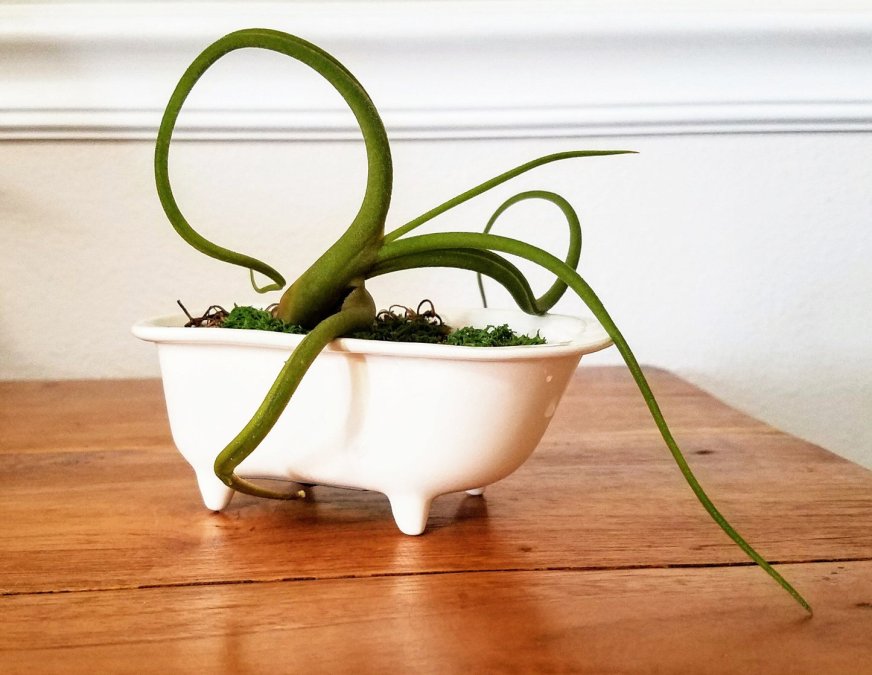
The Small Bathtub Planter from Click Seattle Local ($20.00) is handcrafted by Mountain Mudworks in Colorado. At 2 inches tall and 4 inches long, it's perfect for succulents or small houseplants, with optional drainage holes. Handmade with durable glaze, it'll outlast plastic planters by decades while supporting an independent maker.
Eco-Friendly Pots for Indoor and Outdoor Plants
EcoForms Nova 5 pots ($10.99) are made from renewable plant by-products with no wood or petroleum. Designed to last five years outdoors and longer indoors, they're lighter than ceramic, more durable in freeze-thaw cycles, and promote stronger root development than plastic.
Garden Essentials for Sustainable Living
A garden connects you to food production, reduces your carbon footprint, and teaches you how systems work. Starting a garden doesn't require land or expertise, it requires seeds, tools, and the decision to begin.
Seeds and Growing Guides for Food Independence
The Seed Collection, Starter Garden from Click Seattle Local ($12.00) includes five easy-to-grow vegetables chosen for beginner success, with full-color recipe cards. Non-GMO and seasonally curated, these varieties reward quickly and build confidence. For deeper learning, Click Seattle Local carries guides like The Eco-Friendly Homestead: A Complete Guide to Sustainable Farming and Gardening - Paperback ($16.20) on permaculture and organic techniques, and Container Gardening - The Permaculture Way: Sustainably Grow Vegetables and More in Your Small Space - Paperback ($19.95) for apartment dwellers.
The Eco-Friendly Homestead: A Complete →

Tools Built to Last: Forged Steel and Natural Materials
The Forged Steel Pruners from Click Seattle Local ($16.00) feature carbon steel blades that stay sharp through heavy use and a balanced grip that reduces hand fatigue. Professional-grade quality at an accessible price, they handle delicate branches, herb harvesting, and detailed work while outlasting plastic alternatives by years.
Lawn Alternatives That Reduce Water and Chemicals
Microclover Natural Alternative Lawn Seed ($12.95) is a low-growing perennial legume that blends with grass for a traditional look while being drought-tolerant, requiring minimal mowing, and naturally fixing nitrogen in soil. It requires less water, fertilizer, and chemical inputs than traditional grass and supports pollinators.
Budget-Friendly Sustainable Swaps: Affordability Meets Impact
Sustainable home goods for beginners often cost less than conventional alternatives when calculated over time. A Swedish dishcloth ($6.95) replaces 15 rolls of paper towels. A natural fiber brush ($5.95) lasts years instead of months. Eco-friendly pots ($10.99) function better than plastic. Start by swapping items you already buy regularly, paper towels, sponges, plastic pots, one category at a time. The upfront cost is minimal, and savings compound.
Item |
Conventional Cost (Annual) |
Sustainable Cost (Annual) |
Lifespan |
Net Savings |
|---|---|---|---|---|
Paper Towels |
~$60 (rolls) |
$7 (one dishcloth) |
6-9 months |
~$53/year |
Sponges |
~$20 (multiple) |
$6 (natural brush) |
1-2 years |
~$14/year |
Plastic Pots |
~$40 (replacements) |
$11 (EcoForms) |
5+ years |
~$29/year |
Seeds |
~$15 (random packets) |
$12 (curated kit) |
1 season |
~$3 savings + confidence |
The math is straightforward. Sustainable home goods for beginners are an investment that pays for itself while reducing waste.
How to Avoid Greenwashing When Shopping Sustainable Home Goods
Real sustainability has specific characteristics: transparent materials and sourcing (the Sea Turtle Swedish Dishcloth specifies 70% cellulose and 30% cotton, sourced in Europe), durability and longevity (products designed to last five years are more sustainable than one-season items), honest limitations (acknowledging trade-offs rather than generic "eco-friendly" claims), and connection to a real maker (Mountain Mudworks handcrafts ceramic planters in Colorado; Sweetgum makes Swedish dishcloths as a woman-owned business in Massachusetts). These connections create accountability and protect against greenwashing.
Maintenance and Longevity: Making Your Purchases Last
Maintain sustainable products properly to ensure they last as designed. Machine wash Swedish dishcloths weekly; they're ready to compost at 6-9 months. Soak natural fiber brushes occasionally and air dry completely. Bring outdoor pots inside during freeze-thaw winters or choose freeze-resistant materials like EcoForms. Wipe forged steel pruners clean and store dry. Keep garden seeds in cool, dry conditions for 2-3 year viability. Sustainable products require minimal, intuitive care, simply treating tools and products with respect.
Making Sustainable Living Stick
Start with one category, master it, move to the next. Within a year, you've transformed your home without feeling pressured. The products you've chosen perform better, last longer, and align with your values. Click Seattle Local curates sustainable products from independent makers and small businesses across the country, so every purchase supports real people and communities. Shop all State Collectives at Click Seattle Local and discover sustainable home goods that work as hard as you do.
Featured Snippet Optimization: Quick Answers
What are sustainable home goods for beginners? Sustainable home goods for beginners replace conventional disposables with durable, eco-friendly alternatives like Swedish dishcloths, natural fiber brushes, ceramic planters, and forged steel tools. They cost less over time, perform better, and generate significantly less waste.
How much do sustainable home goods cost? Sustainable home goods for beginners often cost the same or less than conventional alternatives over their lifespan.
Frequently Asked Questions
What are the most affordable sustainable home goods for beginners?
Start with high-impact, budget-friendly items: Swedish dishcloths ($6.95) replace 15+ rolls of paper towels, natural fiber vegetable brushes ($5.95) eliminate plastic alternatives, and microclover lawn seed ($12.95) cuts water and fertilizer costs over time. These initial swaps have the lowest entry cost while delivering measurable waste reduction. Small-batch brands often price competitively because they eliminate middleman markups.
How do I know if sustainable home goods are actually eco-friendly or just greenwashing?
Look for specific material information, not vague claims. Genuine sustainable products list exact compositions (like the Swedish dishcloth's 70% cellulose and 30% cotton) and mention certifications or sourcing practices. Check if brands disclose their manufacturing process, production location, and end-of-life instructions. Independent makers and small businesses often provide this transparency because their reputation depends on it, unlike mass producers.
What sustainable home decor brands are worth investing in for beginners?
Handcrafted ceramic planters ($20) from family-owned makers and eco-form pots ($10.99) made from renewable plant by-products offer durability that justifies their cost. These pieces last 5+ years indoors and develop character over time, unlike disposable decor. Supporting small makers means your money directly funds artisans rather than corporate supply chains, and each piece is unique to your home.
How long do sustainable home goods typically last compared to conventional products?
Quality varies by category. Natural fiber brushes last multiple seasons with proper care; forged steel pruners ($16) maintain sharpness for years; eco-form pots last 5 years outdoors and twice as long indoors; Swedish dishcloths compost after 6-9 months of use but replace hundreds of paper towels in that time. Durability is the sustainability advantage: fewer replacements mean less waste and lower lifetime cost.