South Mountain Nursery
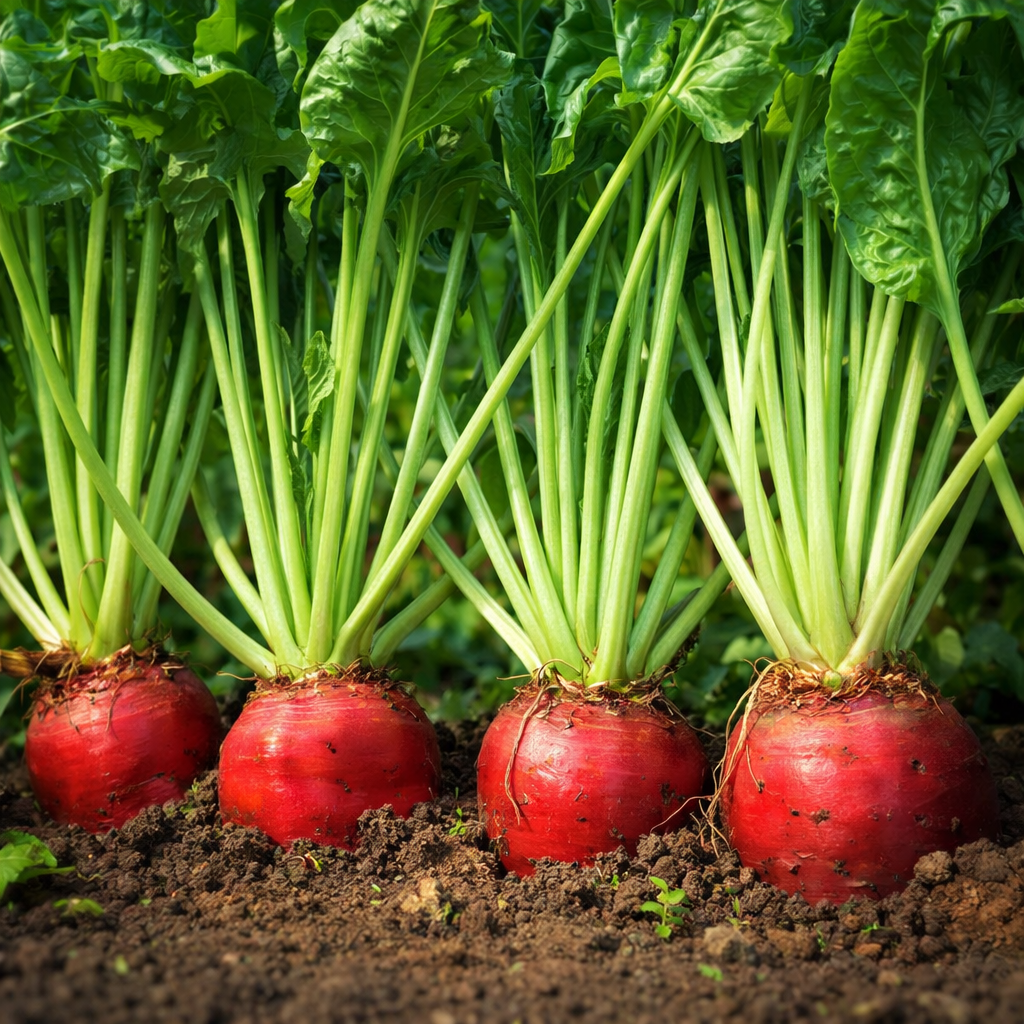
Red Mammoth Fodder Beet Seeds – Giant Beets for Livestock Feed & Edible Greens
Red Mammoth Fodder Beet Seeds – Giant Beets for Livestock Feed & Edible Greens
Couldn't load pickup availability
Free Shipping on U.S. Orders 100+ - No Code Needed
Red Mammoth Fodder Beet Seeds – Giant Beets for Livestock Feed & Edible Greens
Grow an impressive harvest with Red Mammoth Fodder Beet seeds, a traditional favorite for livestock feed, homestead gardens, and abundant leafy greens.
Traditionally grown as winter fodder for livestock, Red Mammoth beets also offer something for the kitchen. Harvest the roots young for a tender texture, and enjoy the edible beet greens throughout the growing season.
Planting Instructions
Direct sow Red Mammoth Fodder Beet seeds outdoors in early spring, as soon as the soil can be worked. Choose a location with full sun and well-drained soil.
Plant seeds approximately 1 inch deep and 6 inches apart, with rows spaced 2–3 feet apart. Gently firm the soil over the seeds to ensure good soil contact. Germination typically occurs within 5–15 days, depending on growing conditions.
Growing & Care
Each beet seed cluster can produce several seedlings. Thin crowded seedlings after they emerge to give the remaining plants room to develop their large roots. Healthy thinned seedlings may be transplanted to establish a later crop, although transplanting can slow their development.
Weed carefully around young plants to avoid damaging their roots and stems. Fodder beets favor cool growing conditions and can tolerate light freezes, with established plants capable of surviving temperatures around 25°F.
Harvesting Roots & Beet Greens
For fresh eating, harvest Red Mammoth beets while the roots are less than 3 inches in diameter, when they are at their most tender. For livestock fodder, allow the roots to continue growing toward maturity. Final root size will vary with spacing, soil, and growing conditions.
After lifting the roots, twist off the leafy tops, leaving approximately 1 inch of stem to help reduce bleeding.
This variety also produces an abundance of lush, edible greens. Harvest no more than one-third of the foliage at a time, leaving the remaining leaves to support continued plant growth.
Whether you are growing fodder beets for livestock or harvesting young roots and greens for your table, Red Mammoth offers a versatile, productive crop with a long tradition in farm gardens.
Share